
Advantages of 24/7 logistics operations in high-demand markets
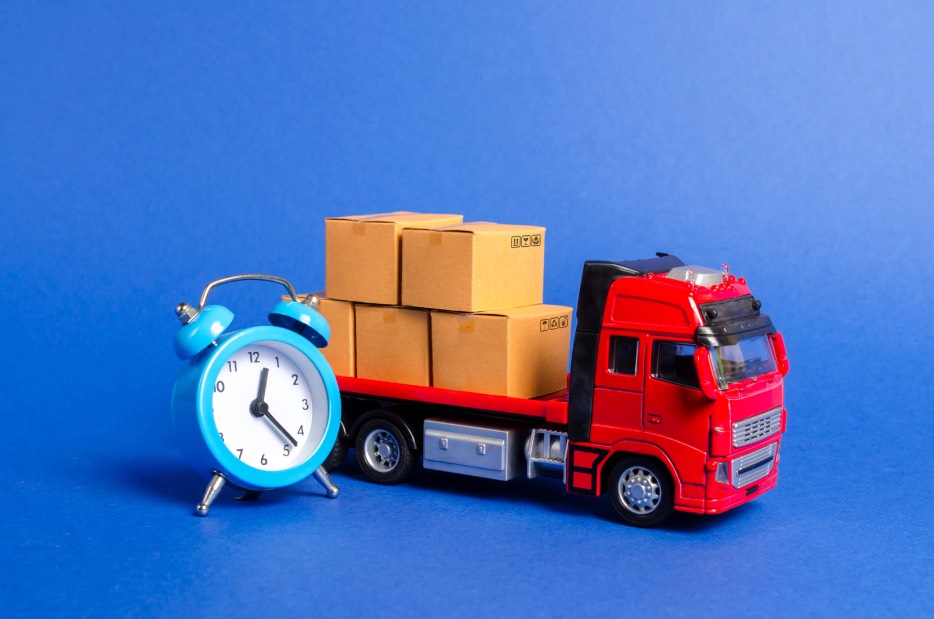
In today’s high-demand, always-on economy, logistics no longer run on a nine-to-five schedule. Customers expect fast, accurate, and uninterrupted delivery, whether they place an order at noon or at midnight. If we fail to meet their expectations, there is a high probability of returns, as we saw in our last article about emotional tracking.
For businesses operating in competitive, high-volume markets, the ability to move, process, and ship products around the clock has become a decisive advantage. This is where 24/7 logistics operations transform from a convenience into a strategic necessity.
Operating a fulfillment and distribution network 24 hours a day allows companies to process orders in real time, reduce bottlenecks, and others. The result is shorter delivery times, fewer errors, and a smoother customer experience, even during peak seasons.
In this article, the experts at our fulfillment center will explore what 24/7 logistics operations are and their key advantages, especially in high-demand markets.
What does 24/7 logistics operations really mean?
24/7 logistics operations go far beyond simply keeping warehouse lights on overnight. They represent a fully integrated, continuous fulfillment model in which inventory management, order processing, picking, packing, shipping, and customer communication operate without interruption. Instead of working in daily cycles, the entire logistics ecosystem moves in real time, responding to orders as they are placed and keeping goods flowing through the supply chain at all hours.
In a true 24/7 environment, technology and people work together to eliminate downtime. Warehouse management systems, order routing software, and carrier integrations automatically trigger actions the moment a customer checks out, regardless of the time of day.
Night shifts are not just maintenance crews; they are active fulfillment teams processing real orders, updating inventory, and preparing shipments for immediate dispatch. This allows businesses to treat time as an asset rather than a limitation.
The difference between standard operations and 24/7 logistics becomes especially clear in high-demand markets. In a traditional model, orders placed after business hours sit there until the next day, creating artificial delays and backlogs. Ultimately, 24/7 logistics transforms fulfillment from a stop-and-go process into a seamless, always-moving system.

Why do high-demand markets require around-the-clock logistics?
As you know, high-demand markets move at a speed that traditional logistics models can no longer support. Mobile shopping, eCommerce and global marketplaces have removed time zones from the buying process, meaning customers place orders at every hour of the day.
When demand never stops, fulfillment cannot afford to pause. Businesses that only process orders during limited operating hours quickly fall behind, creating delays that ripple through the entire customer experience.In these fast-moving environments, demand is also highly volatile. Flash sales, influencer promotions, seasonal events, and viral trends can generate massive spikes in order volume within minutes.
Without 24/7 logistics, those spikes turn into bottlenecks, overwhelming warehouses and customer service teams. Continuous operations allow companies to absorb these surges smoothly, processing orders as they come in instead of letting them pile up and create fulfillment backlogs.
Customer expectations further raise the stakes. High-demand markets are shaped by brands that offer same-day or next-day delivery, real-time tracking, and instant updates. Shoppers no longer compare a company to the industry average; they compare it to the fastest brand they’ve ever used. To meet that standard, logistics operations must stay active at all times.
Key advantages of 24/7 logistics
Now that you know what it is and why it is important, especially nowadays, hereunder, we have developed some of the key benefits we encountered with this fulfillment model.
1.- Faster order processing
One of the most immediate advantages of 24/7 logistics operations is the dramatic reduction in order processing time. In a continuous fulfillment model, there is no overnight pause, no waiting for the next business day, and no artificial queue building up while customers sleep. This constant flow allows businesses to keep pace with demand and prevent delays before they even start.
By eliminating downtime, 24/7 operations also prevent the accumulation of backlogs that slow down shipping. Workloads are distributed more evenly, keeping fulfillment smooth, accurate, and fast.
Shorter processing times translate directly into shorter delivery windows. When orders leave the warehouse sooner, carriers can pick them up earlier, reach sorting hubs faster, and get packages to customers in less time. This makes same-day and next-day delivery more achievable, even during periods of high demand. In competitive markets, those few saved hours often make the difference between a satisfied customer and a lost one.

2.- Increased warehouse efficiency and capacity
Running a warehouse around the clock dramatically improves how space, equipment, and labor are used. In traditional operations, facilities experience intense congestion during daytime hours and sit underutilized overnight.
24/7 logistics spreads activity across multiple shifts, allowing the same infrastructure to handle a much higher volume of orders without expanding the physical footprint. This effectively increases warehouse capacity without the cost of new buildings or equipment.
Continuous operations also reduce operational friction. When picking, packing, receiving, and shipping happen at the same time in a single daytime window, processes collide and slow each other down. Tasks can be scheduled more strategically, ensuring that inbound shipments, restocking, and outbound orders move through the facility with fewer interruptions. Finally, this smoother flow leads to fewer errors, faster handling, and better inventory accuracy.
3.- Scalability during high-volume periods
High-demand markets are defined by sudden surges in order volume, whether during holidays, flash sales, product launches, or viral campaigns. In these moments, traditional logistics models struggle because they are built around fixed daily capacity. Once that capacity is reached, orders pile up, delays grow, and customer satisfaction drops.
24/7 logistics operations remove this ceiling by allowing fulfillment to continue expanding across time, not just space.
When warehouses operate around the clock, businesses can absorb spikes without overwhelming any single shift. Orders that arrive late at night are processed immediately instead of being pushed into an already busy next day. This prevents the kind of cascading delays that turn short-term demand spikes into long-term service failures. It also allows companies to maintain consistent delivery promises even when volumes multiply.
Scalability in this context is not just about speed, but about stability. Continuous operations make it easier to add temporary labor, adjust workflows, and increase throughput without disrupting the entire system. Brands can run aggressive promotions or enter new markets knowing their logistics infrastructure can keep up.
4.- Competitive advantage in crowded markets
Last but not least, in high-demand industries, products and prices are often similar across competitors, making logistics one of the few true differentiators. Customers remember how fast their order arrived, how accurate it was, and how smooth the delivery experience felt. Businesses that operate with 24/7 logistics consistently outperform slower competitors by offering shorter delivery times, better reliability, and fewer service issues.
Speed creates trust. When customers receive their orders quickly and without complications, they are more likely to buy again and recommend the brand. Brands that can fulfill orders overnight or ship immediately after purchase stand out as more professional, more dependable, and more customer-focused.
In conclusion, 24/7 logistics strengthens brand perception. A company that can handle high volumes without delays signals operational excellence. This makes it easier to win enterprise clients, secure partnerships, and enter new markets.
Now that you’ve learned more about 24/7 logistics, don’t hesitate to contact us. We’ll be glad to help you.