
Available-to-Promise (ATP) Inventory
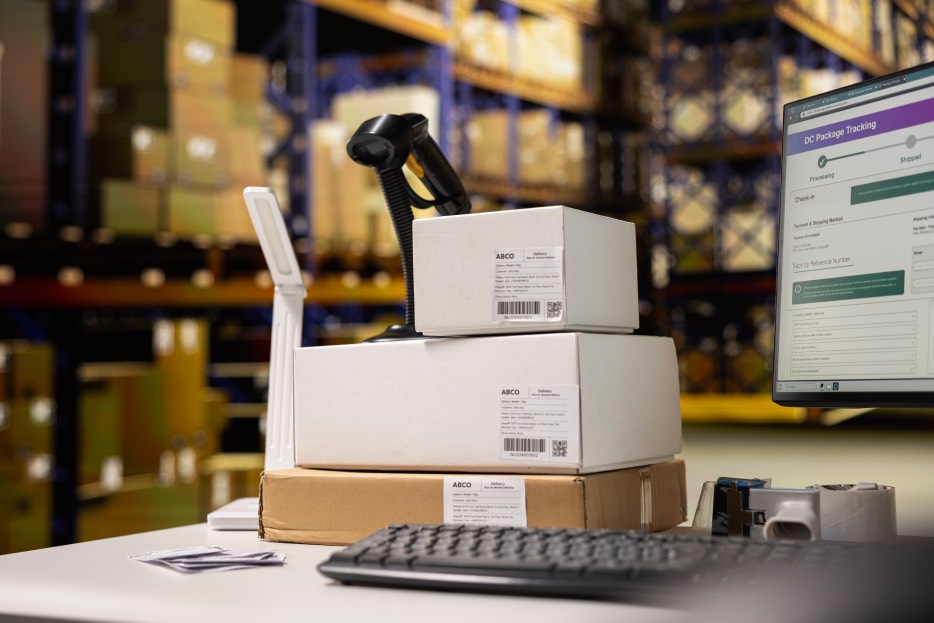
In today’s world of fulfillment for eCommerce, customers expect accurate delivery dates and real-time stock availability. This is where Available-to-Promise (ATP) inventory becomes essential. This method helps to determine how much inventory is available to sell and when it can be shipped to customers without delays.
By calculating ATP, businesses can avoid overselling, reduce stockouts, and improve order accuracy; three critical factors for scaling operations and maintaining customer trust.
So, whether you manage your own inventory or rely on a Mexican fulfillment center, understanding ATP helps you make smarter decisions about order fulfillment, inventory planning, and delivery promises.
In this guide, we’ll break down what ATP inventory is, how it works, and why it's key to efficient fulfillment for your company.
What is Available-to-Promise (ATP)?
Available-to-Promise (ATP) is the portion of inventory that is not yet committed to existing orders and can be promised to new customers, taking into account current stock, incoming inventory, and scheduled demand.
That’s why it is a key concept in supply chain and inventory management, because it helps businesses determine how much product they can sell and deliver within a specific timeframe.
In environments like a fulfillment center, ATP ensures that the inventory shown as “available” to customers is actually in stock based on incoming supply and existing orders. Without ATP, businesses risk overselling products, delaying shipments, or canceling orders, all of which negatively impact customer experience and operational efficiency.
Who Uses ATP?
ATP is widely used across different industries that rely on efficient inventory and order management. Hereunder are some of them:
-
Ecommerce businesses: to manage stock visibility and ensure accurate delivery promises.
-
Fulfillment centers: to coordinate inventory across warehouses and avoid overselling.
-
Retailers: to align in-store and online availability.
-
Manufacturers: to plan production and commit future inventory to orders.
By using ATP, these businesses can synchronize supply and demand, making fulfillment for eCommerce faster, more reliable, and more transparent for customers.
How Available-to-Promise (ATP) works (step-by-step)?
To support accurate fulfillment, ATP works by continuously balancing what you have, what you expect to receive, and what you’ve already promised to customers. Whether managed in-house or through a fulfillment center, the process follows a clear logic:
1.- Inventory on hand
This is the physical stock currently available in your warehouse or fulfillment center. It’s the starting point for any ATP calculation.
2.- Incoming supply
This includes products that are already on the way, such as purchase orders from suppliers or scheduled production. Even though these items aren’t physically available yet, they can still be considered in future promises.

3.- Customer orders (committed inventory)
These are orders that have already been placed and allocated. This inventory is no longer available to new customers, even if it hasn’t shipped yet.
4.- Calculation logic
ATP subtracts committed orders from the total available and incoming inventory to determine what can still be promised to new customers without risking delays or stockouts.
But, how it is calculated in real life, well, here we have the base formula for your ATP.
ATP = On-hand inventory + Planned production − Committed orders
Now, to show you an example, imagine you run an eCommerce that streams through a fulfillment center:
-
You currently have 100 units in stock
-
You’re expecting 50 more units next week
-
You already have 80 units committed to existing orders
So your ATP right now would be: 100 (on hand) + 50 (incoming) − 80 (committed) = 70 units available to promise. This means you can safely accept new orders for up to 70 units without affecting delivery timelines or customer satisfaction.
Types of ATP
Not all ATP is calculated the same way. Depending on how your inventory and orders are managed, businesses typically use one of two main types: Discrete ATP and Cumulative ATP.
Discrete ATP
Discrete ATP calculates available inventory for specific time periods (usually based on planned supply dates or production schedules). Each time period is treated separately.
How does it work?
-
ATP is calculated only at certain intervals (e.g., weekly or per delivery batch)
-
Inventory is allocated based on what’s available within that specific window
It is best for:
-
Businesses with scheduled production cycles
-
Companies that receive inventory in batches
-
Simpler supply chains with predictable restocking
Cumulative ATP
Cumulative ATP looks at inventory across multiple time periods, accumulating supply and demand over time to provide a more dynamic and flexible view.
How does it work?
-
Inventory and incoming supply are continuously added over time
-
Customer orders are subtracted as they occur
-
ATP is updated dynamically across future dates
It is best for:
-
High-volume fulfillment for eCommerce operations
-
Businesses with real-time inventory systems
-
Omnichannel retailers managing multiple sales channels

FAQ’s about ATP
What does Available-to-Promise (ATP) mean in inventory?
Available-to-Promise (ATP) refers to the portion of inventory that is not yet committed to existing orders and can be promised to new customers. In a fulfillment center, ATP ensures that the stock displayed as available is accurate and ready to be shipped within the promised timeframe.
How is ATP calculated?
ATP is typically calculated using this formula:
ATP = On-hand inventory + Incoming supply − Committed orders
This calculation helps businesses determine exactly how much product they can sell without risking delays or stockouts.
What is the difference between ATP and Available-to-Sell (ATS)?
While both metrics relate to inventory availability, they serve slightly different purposes:
-
ATP (Available-to-Promise): Focuses on what can be promised to customers, considering future inventory and existing commitments.
-
ATS (Available-to-Sell): Usually reflects current stock available for immediate sale, without always factoring in future supply.
ATP is more dynamic and accurate for managing delivery expectations.
What is the difference between ATP and Capable-to-Promise (CTP)?
-
ATP: Based on current inventory and planned supply.
-
CTP (Capable-to-Promise): Goes further by considering production capacity and whether new products can be manufactured to meet demand.
CTP is often used by manufacturers, while ATP is more common in eCommerce and fulfillment center operations.
Is ATP updated in real time?
It depends on the system being used. Modern inventory and fulfillment center platforms update ATP in real time, allowing eCommerce businesses to provide accurate stock levels and delivery dates.
Older or manual systems may update ATP periodically, which can increase the risk of overselling.
Why is ATP important for eCommerce fulfillment?
ATP is critical for fulfillment for eCommerce because it:
-
Prevents overselling
-
Reduces canceled or delayed orders
-
Improves delivery accuracy
-
Enhances customer trust
By using ATP, any fulfillment center or eCommerce business can align inventory with demand and deliver a smoother, more reliable shopping experience.
Now that you have learned more about ATP, don’t hesitate to contact us for any assistance with your inventory. Also, if you like this article, share it on social media and stay updated on our blog for more updates.