
Ecommerce Warehousing in Mexico for Global Brands
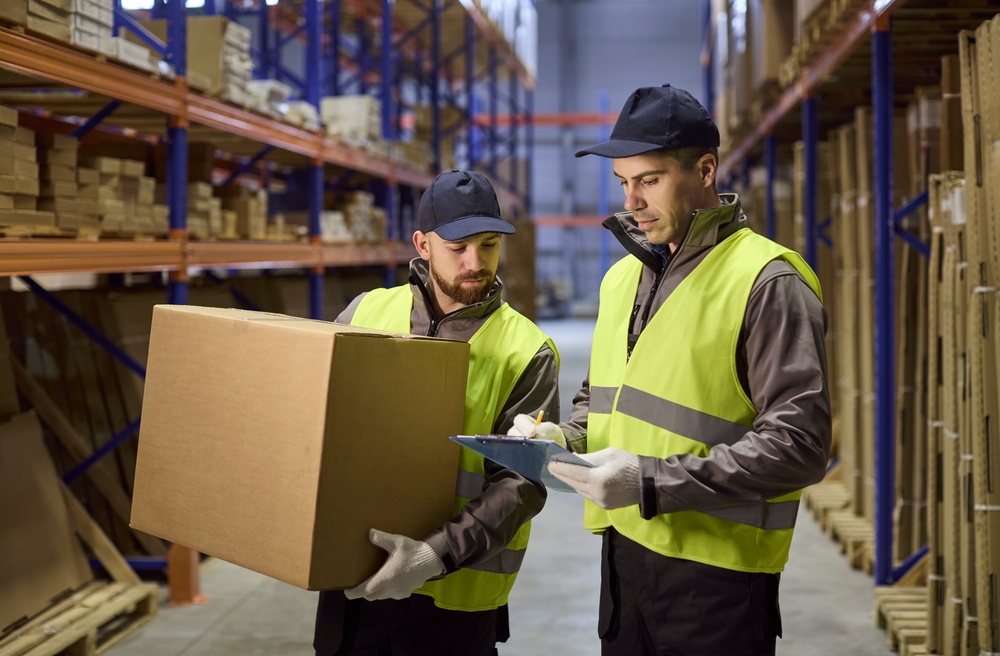
Expanding ecommerce operations into Mexico involves more than making products available to a new market. Once sales begin, brands need a reliable way to receive merchandise, control inventory, prepare orders and move products to customers, marketplaces, retailers or business partners.
That is where ecommerce warehousing in Mexico becomes a critical part of the operation.
For global brands, establishing a local warehousing structure can provide greater control over inventory and distribution without requiring the company to build its own logistics infrastructure from the ground up. It can also shorten the distance between available inventory and the customers or commercial channels the brand wants to serve in Mexico.
The value, however, goes well beyond warehouse space. A successful operation depends on how storage connects with inventory management, fulfillment, transportation and day-to-day order processing.
What Is Ecommerce Warehousing in Mexico?
Ecommerce warehousing is the process of receiving, storing, managing and preparing inventory specifically for businesses that sell through digital and commercial channels.
Unlike basic storage, where merchandise may remain in the same location for extended periods, ecommerce inventory is constantly moving. Products arrive at the facility, are registered and stored, allocated to orders, picked, packed and eventually transferred to a carrier or another distribution channel.
Depending on the business model, the same warehouse may support orders from an online store, marketplaces, retail locations, distributors and B2B customers.
This is why ecommerce warehousing in Mexico and ecommerce fulfillment in Mexico are closely connected. Warehousing provides the physical infrastructure and inventory organization, while fulfillment turns that inventory into prepared orders.
Companies evaluating Mexican fulfillment solutions should consider how both sides of the operation work together rather than evaluating storage as an isolated service.
Why Global Brands Need Warehousing and Fulfillment Support in Mexico
Entering a new market creates operational questions that are very different from those involved in marketing or sales.
Where will inventory be stored? How will stock be controlled? Who will prepare orders? How will products reach customers throughout Mexico? What happens when merchandise is returned?
Managing these processes internally requires warehouse infrastructure, trained personnel, technology, operating procedures and relationships with transportation providers.
For many international companies, working with a local logistics provider offers a more practical alternative.
3PL warehousing in Mexico allows brands to outsource some or all of these activities while maintaining visibility over their inventory and orders. Instead of developing a warehouse operation internally, the company can use an existing logistics infrastructure and scale according to its requirements.
A well-structured fulfillment center in Mexico can also support several sales channels simultaneously, including ecommerce, marketplaces, retail, wholesale and B2B distribution.
This flexibility is especially useful for companies whose Mexican operation is expected to evolve over time.

Key Processes Included in Ecommerce Warehousing in Mexico
A professional ecommerce warehousing in Mexico operation combines several processes. Each one affects inventory accuracy, order preparation and ultimately the customer experience.
Receiving and Inventory Control
Warehouse operations begin before a product reaches a shelf.
Incoming merchandise must be received, identified, verified and correctly entered into the inventory system. If quantities or SKUs are recorded incorrectly at this stage, those discrepancies can affect the rest of the operation.
Effective inventory management in Mexico provides visibility into what has arrived, what is available, what has been allocated to orders and what has already left the facility.
Storage and Product Organization
Storage should reflect the needs of the operation rather than simply the amount of available warehouse space.
SKU characteristics, dimensions, turnover and picking frequency can all influence where products are placed. An organized warehouse reduces unnecessary movement and makes order preparation easier as volumes increase.
Picking and Packing
Once an order enters the operation, warehouse personnel must identify and pick the correct products before preparing them for shipment.
Packing may involve different packaging materials, labels or preparation requirements depending on the product, sales channel and destination.
Reliable fulfillment for ecommerce therefore depends on repeatable picking and packing processes that prioritize accuracy without slowing down order flow.
Shipping and Distribution
Once an order has been prepared, it needs to enter the appropriate transportation network.
Depending on the business, that could mean shipping an individual parcel to a consumer or coordinating larger deliveries to retailers, distributors or B2B customers.
Transportation is therefore a direct extension of order fulfillment in Mexico, not simply the final step after warehouse operations are complete.
Returns Management
Returns also need an established process.
Returned products must be received, identified and evaluated before inventory records are updated. Depending on their condition and the company's policies, products may return to available inventory or require another type of handling.
Ecommerce Warehousing Processes and Business Benefits
|
Process |
What it includes |
Benefit for global brands |
|
Receiving |
Product verification, identification and inventory entry |
Establishes accurate inventory from the moment products arrive |
|
Storage |
Organized product placement and SKU management |
Makes inventory easier to locate and manage |
|
Inventory management |
Stock visibility and movement tracking |
Supports replenishment and sales planning |
|
Picking |
Locating the correct products for each order |
Improves order preparation accuracy |
|
Packing |
Packaging, labeling and shipment preparation |
Creates consistent fulfillment processes |
|
Shipping |
Carrier coordination and dispatch |
Connects prepared orders with customers and distribution channels |
|
Returns |
Receiving and processing returned products |
Keeps inventory records aligned with physical stock |
|
Traceability |
Tracking inventory and operational movements |
Provides greater visibility across the logistics process |
The real advantage comes from connecting these activities. A warehouse can have excellent storage capacity, but if receiving, inventory control and picking are disconnected, the operation will still encounter problems.
How Warehousing Connects With Fulfillment and Inventory Management
One of the main differences between basic storage and professional ecommerce warehousing in Mexico is the relationship between physical inventory and operational information.
If a system shows that a product is available, that unit should actually exist in the warehouse and be ready for fulfillment. When an order is processed, inventory needs to reflect the movement. The same applies when new merchandise arrives or a customer returns a product.
Inventory accuracy and traceability are therefore essential.
Technology can support this process by helping organize SKUs, document inventory movements, maintain order records and provide better visibility into stock levels.
Companies evaluating a fulfillment center in Mexico should ask how inventory is managed throughout the complete order lifecycle, not simply how much storage capacity is available.
This becomes particularly relevant when several sales channels use the same inventory.
A fulfillment distribution center in Mexico can help coordinate inventory across ecommerce, marketplaces, retail and B2B distribution while maintaining greater visibility over stock movements.
When Does Working With a 3PL Provider Make Sense?
There is no single company size or order volume that determines when logistics should be outsourced.
A business may consider 3PL warehousing in Mexico when managing inventory and fulfillment internally begins to consume resources that could be used elsewhere in the company.
It may also make sense for an international brand entering Mexico that needs local infrastructure but does not want to immediately invest in its own warehouse, staff and fulfillment operation.
Scalability is another factor.
Promotions, seasonal demand, product launches and new sales channels can change logistics requirements quickly. A 3PL relationship can give companies more flexibility to adapt their operation as those requirements evolve.
When comparing Mexico fulfillment services, businesses should therefore consider both their current operation and what they expect it to look like as sales grow.
What to Look for in a Warehousing and Fulfillment Partner in Mexico
Choosing a provider for ecommerce warehousing in Mexico should involve more than comparing warehouse rates.
Start with the operation itself.
How does the provider receive inventory? How are SKUs controlled? What processes are used for picking and packing? How is inventory movement documented? What visibility will your team have over stock and orders?
It is also worth evaluating whether the provider can support different sales channels. A company that begins with ecommerce may later add marketplace sales, retail accounts or B2B distribution. The logistics structure should be able to adapt without creating unnecessary complexity.
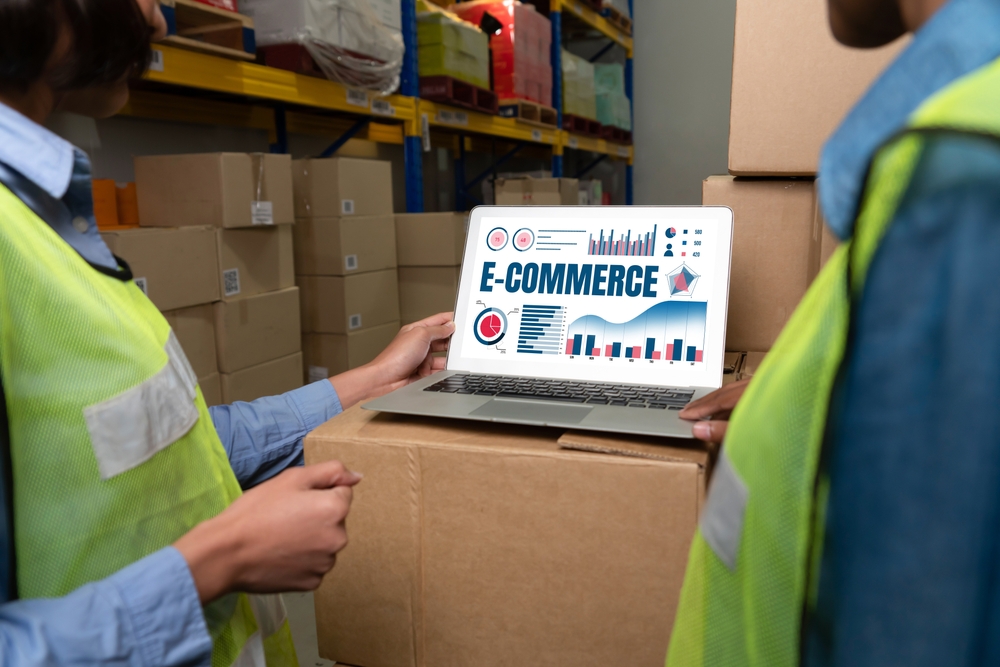
Technology, reporting and communication matter as well. When an operational issue occurs, brands need enough information to understand which inventory or orders were affected and what action is being taken.
The objective is to find a logistics partner in Mexico capable of supporting the operation, not simply a company providing warehouse space.
Common Mistakes When Choosing a Logistics Provider
A frequent mistake is choosing a provider primarily because of storage price or available space.
Low-cost storage provides little value if poor inventory control leads to discrepancies, incorrect orders or delays.
Another mistake is starting the operation without clearly defining requirements. SKU characteristics, sales channels, expected order profiles, packing specifications, shipping destinations and return procedures should be discussed before inventory begins moving through the warehouse.
Companies should also avoid treating fulfillment and transportation as completely separate decisions.
An order may leave the warehouse correctly packed and on time, but delivery is still part of the customer experience. For that reason, warehousing and distribution in Mexico should be designed as connected parts of the supply chain.
Shipping, Freight and Distribution as Ecommerce Operations Grow
Transportation requirements often become more complex as a company expands.
Direct-to-consumer orders may require parcel delivery, while retail replenishment or B2B orders can involve different transportation requirements. International companies may also need to coordinate inbound merchandise before inventory reaches the warehouse.
Búho Logistics supports these broader logistics requirements through domestic freight in Mexico, helping businesses move merchandise within the country as part of their distribution strategy.
Brands managing different delivery requirements can also incorporate multi-carrier shipping, providing additional options for coordinating shipments according to the needs of each operation.
For businesses moving merchandise across borders, international freight can connect inbound and outbound transportation with the broader warehousing strategy and support cross-border logistics requirements.
At Búho Logistics, we also support specialized operational needs, including fintech logistics, for companies whose supply chains extend beyond conventional ecommerce merchandise.
The objective is to create continuity between inventory entering the country, warehouse operations, fulfillment and final distribution.
Build a Scalable Ecommerce Operation in Mexico
For global brands, establishing an efficient logistics operation in Mexico requires more than finding warehouse space. The goal is to create a structure that keeps inventory organized, orders moving and distribution aligned with the needs of each sales channel.
A strong ecommerce warehousing in Mexico strategy can support ecommerce stores, marketplaces, retail operations and B2B distribution from a coordinated logistics network.
As order volumes or product catalogs grow, having scalable processes in place also makes it easier to adapt without rebuilding the entire operation.
Connect Warehousing, Fulfillment and Transportation
Búho Logistics provides logistics solutions that connect warehousing with fulfillment and transportation requirements in Mexico.
Through our fulfillment Mexico capabilities, global brands can manage inventory and order preparation while integrating shipping and distribution according to their operational needs.
Instead of treating storage, fulfillment and transportation as isolated activities, companies can develop a logistics structure in which each stage supports the next.
Choose the Right Logistics Partner for Your Growth in Mexico
Choosing a provider for ecommerce warehousing in Mexico for global brands is ultimately about much more than storage capacity.
The right partner should help the company maintain better inventory control, prepare orders accurately, coordinate reliable shipping options and adapt the operation as the business grows.
For international companies entering Mexico or expanding an existing presence, local logistics support can provide the infrastructure needed to manage products efficiently without developing every part of the operation internally.
If your company is evaluating ecommerce warehousing in Mexico, fulfillment, inventory management or distribution solutions, contact Búho Logistics to discuss your requirements and explore a logistics model designed to support your growth in Mexico.