
Fulfillment center Mexico vs US warehousing
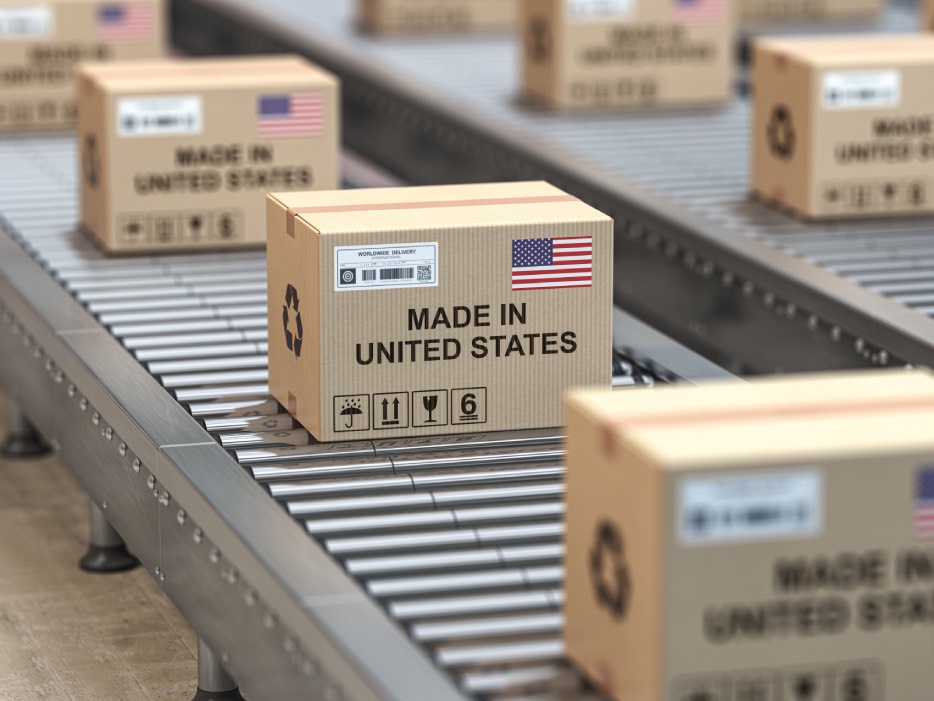
As eCommerce continues to expand across North America, businesses are rethinking their logistics strategies to stay competitive, reduce costs, improve delivery times, or integrate emotional tracking to their systems.
However, they are not the only thing companies start rethinking. One of the most common questions brands face when scaling operations is whether to rely on a fulfillment center in Mexico or traditional US warehousing.
While both options offer distinct advantages, the right choice depends on factors such as labor costs, proximity to customers, cross-border logistics, scalability, and operational flexibility. In this article, we compare Mexican fulfillment center vs US warehousing, breaking down the key differences to help businesses make informed, strategic decisions for their supply chain and fulfillment operations.
Fulfillment centers against warehousing models
To choose between a fulfillment center in Mexico and US warehousing, it is essential to understand how these logistics models differ in purpose and operation. Although the terms are often used interchangeably, fulfillment centers and traditional warehouses serve distinct roles within the supply chain, particularly for eCommerce and omnichannel businesses.
Operational differences
A fulfillment center is designed to manage the entire order fulfillment process from end to end. This includes receiving inventory, storing products, picking and packing orders, shipping directly to customers, and often handling returns.
They rely heavily on technology, such as warehouse management systems (WMS), real-time inventory tracking, and automated workflows, to process high volumes of orders quickly and accurately. These facilities are optimized for speed, scalability, and frequent order turnover, making them ideal for businesses with consistent daily shipments or seasonal spikes in demand.
Traditional warehousing, by contrast, is primarily focused on long-term storage rather than order processing. Warehouses typically hold inventory in bulk and distribute products in larger quantities to retailers, distributors, or secondary fulfillment locations.
While some warehouses have added fulfillment capabilities, many still operate with less automation and are not structured to handle large volumes of individual customer orders efficiently. This model is often better suited for B2B distribution, pallet-level shipping, or companies with predictable, lower-frequency shipping needs.
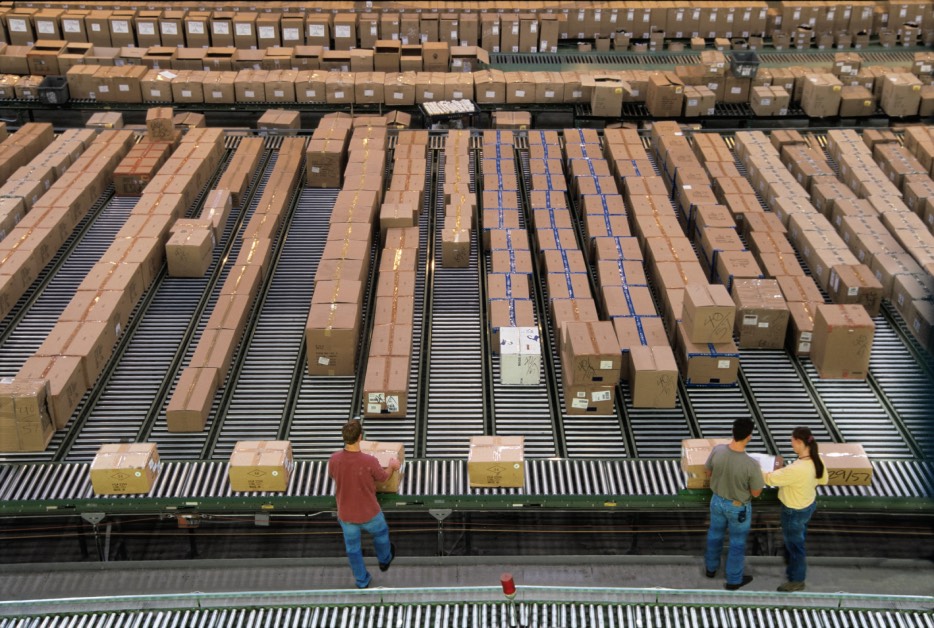
Cost comparison
While both options involve expenses related to labor, storage, transportation, and technology, the overall cost structure can vary significantly depending on location and operational model. Labor costs are typically lower in Mexico than in the United States, which can result in substantial savings for businesses that rely on manual processes such as picking, packing, labeling, and returns management.
Fulfillment centers in Mexico benefit from a large, skilled workforce and lower minimum wage requirements, reducing per-order fulfillment costs. In contrast, US warehousing faces higher labor expenses, driven by wage inflation, labor shortages, and increased competition for warehouse workers, particularly in major logistics hubs.
Storage and operational costs also differ notably between the two countries. Real estate prices, utilities, and facility maintenance tend to be more affordable in Mexico, allowing fulfillment providers to offer competitive storage rates and flexible pricing models.
However, cross-border shipping, customs duties, and compliance requirements can introduce additional costs if not managed efficiently. Businesses must evaluate whether these expenses are offset by savings in labor and storage.
Shipping speed and delivery times
Another factor you must consider is shipping speed and delivery performance, as they play a critical role in customer satisfaction, especially in competitive eCommerce markets where fast, reliable delivery has become an expectation.
When comparing a fulfillment center in Mexico with US warehousing, delivery times depend largely on proximity to end customers, transportation networks, and the complexity of cross-border logistics.
US warehousing generally offers faster delivery for domestic customers, particularly for businesses serving the continental United States. While slightly farther from US consumers, fulfillment centers in Mexico can still provide competitive delivery times when strategically located near the US–Mexico border. Many nearshore fulfillment operations leverage cross-docking, consolidated shipping, and optimized carrier partnerships to ensure efficient cross-border transit.
For standard shipping options, delivery times from Mexico to the US may be only marginally longer, particularly for customers in southern and central states. For businesses also serving Latin American markets, Mexico-based fulfillment can significantly reduce delivery times compared to shipping from the US.
Last-mile delivery is another key factor influencing overall shipping performance. US warehousing benefits from direct integration with domestic last-mile carriers, reducing handoffs and potential points of failure. However, experienced fulfillment providers mitigate these challenges through pre-clearance programs, customs brokerage support, and technology-driven tracking systems.

Scalability and flexibility for growing businesses
Last but not least, as businesses grow, their fulfillment operations must be able to adapt quickly to changing demand, new markets, and evolving sales channels. Scalability and operational flexibility are therefore essential when choosing between a fulfillment center in Mexico and US warehousing, particularly for fast-growing eCommerce and B2B brands.
Fulfillment centers in Mexico often offer high levels of scalability due to lower labor costs and more flexible workforce availability. This allows businesses to ramp up operations efficiently during peak seasons, promotional campaigns, or sudden increases in order volume without a proportional increase in costs. US warehousing can also scale effectively, but it often requires more advanced planning and higher upfront investment.
Flexibility across multiple sales channels is another important consideration. Fulfillment centers are generally better suited to support omnichannel strategies, including direct-to-consumer, marketplace fulfillment, and retail distribution. US warehouses may offer similar capabilities, but these services are often priced at a premium.
Now that you’ve learned more about Mexican fulfillment centers and US warehouses, let us know which option suits your brand in the best way. Also, if you liked this article, share it on social media and stay tuned to our blog for more information.