
What is a smart warehouse? Key features and technologies
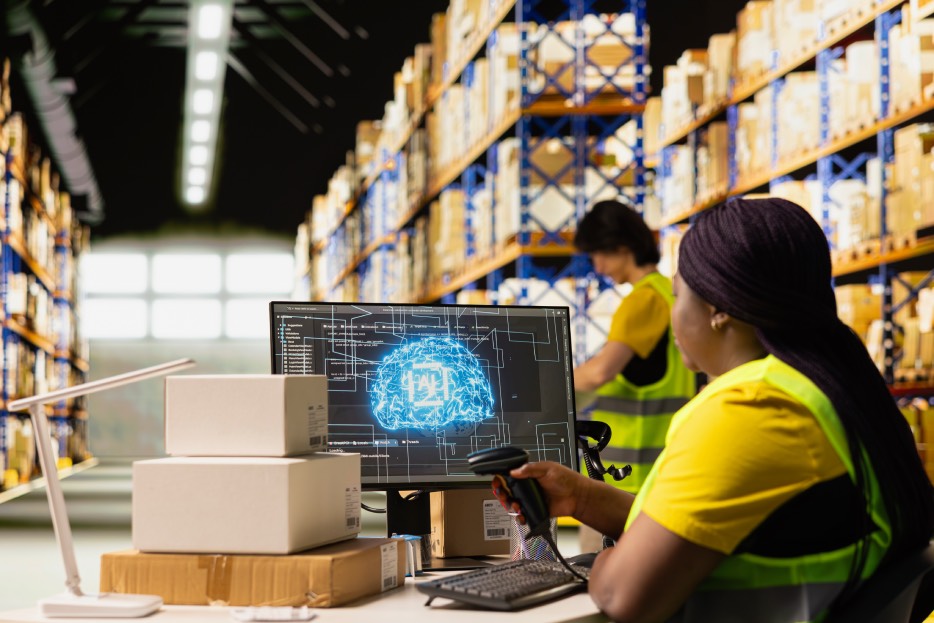
Welcome back to our blog. Here, you’ll find information regarding logistics, improvements to your fulfillment strategy, such as our last article, where we talked about the risk of poor fulfillment planning, but most importantly, you’ll find updates to improve your company.
And today is not an exception. As supply chains become faster, more complex, and increasingly data-driven, traditional warehouses are no longer enough to meet modern logistics demands.
This is where the smart warehouse comes into play. As a fulfillment center, we know how these facilities help optimize inventory management, streamline operations, and reduce human errors.
In this article, we’ll explore what a smart warehouse is, along with its key features and core technologies, to help you understand why it’s transforming the future of logistics and supply chain management.
What is a smart warehouse?
A smart warehouse is a digitally connected and technology-driven storage facility designed to optimize logistics operations through automation, data integration, and real-time decision-making.
Unlike traditional warehouses that rely heavily on manual labor and isolated systems, smart warehouses use intelligent software and hardware to manage inventory, coordinate workflows, and monitor performance continuously. The goal is to increase efficiency, accuracy, and visibility across the entire supply chain while reducing operational costs and human errors.
However, what defines a smart warehouse is not only the integration of technology, but also its ability to collect and analyze data in real time. Through connected devices such as sensors, RFID tags, and barcode systems, inventory movements are tracked automatically, providing up-to-date insights that allow warehouse managers to respond quickly to disruptions, optimize storage space, and ensure faster order fulfillment.
Key features of a smart warehouse
As we mentioned above, a smart warehouse works by creating an interconnected ecosystem where data, machines, and software communicate seamlessly to manage daily operations.
At the core of this system is a centralized platform, usually a cloud-based warehouse management system (WMS), that coordinates inventory, labor, and equipment in real time. This platform receives continuous data inputs from various technologies across the warehouse, allowing processes to be automated and optimized without constant human intervention.
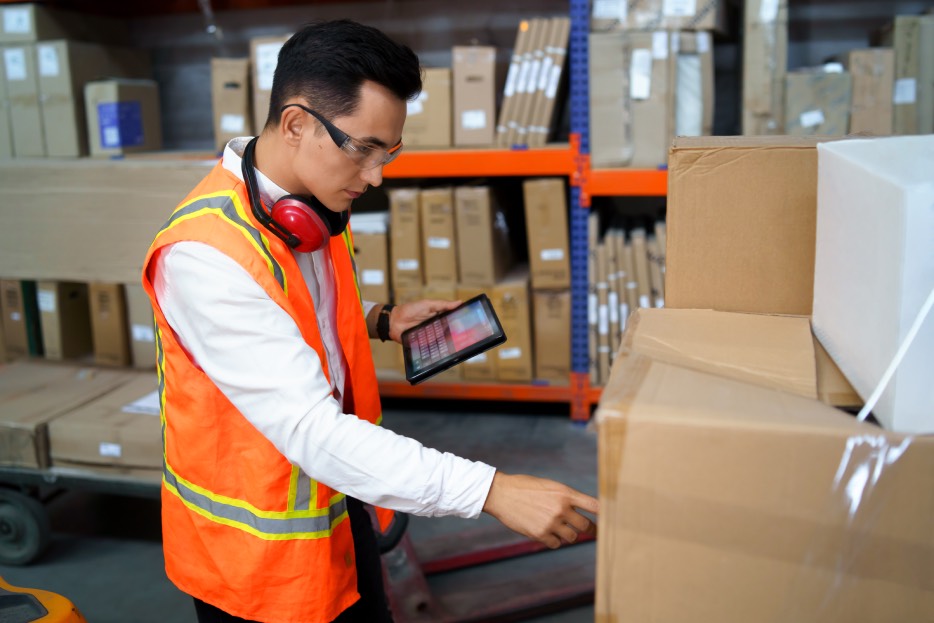
Sensors, RFID tags, barcode scanners, and IoT-enabled devices track the movement and condition of products from the moment they enter the facility to the point of dispatch. This real-time visibility ensures accurate inventory levels, reduces stock discrepancies, and enables faster, more reliable order fulfillment.
The data gathered by these devices is not only descriptive but also predictive, helping identify patterns and anticipate demand fluctuations, which brings us to the next piece. Automation systems use this data to execute tasks efficiently.
Robots, automated guided vehicles (AGVs), and automated storage and retrieval systems (AS/RS) handle picking, sorting, and transporting goods within the warehouse. These technologies work in coordination with the WMS, which assigns tasks dynamically based on priority, order volume, and available resources, ensuring optimal workflow and minimal downtime.
Finally, advanced analytics and artificial intelligence enhance decision-making across the warehouse. By analyzing historical and real-time data, smart warehouses can forecast demand, optimize inventory placement, and improve labor planning.
Benefits of implementing a smart warehouse
Implementing a smart warehouse, as you may see, offers a wide range of benefits that go beyond basic operational improvements. By leveraging automation, real-time data, and intelligent systems, businesses can create more efficient, adaptable, and competitive supply chains.
These advantages impact not only warehouse performance but also customer satisfaction and long-term business growth. Hereunder are other benefits of investing in a smart warehouse.
1.- Increased operational efficiency
One of the primary benefits of a smart warehouse is increased operational efficiency. Automated systems streamline picking, packing, and sorting processes, reducing processing times and minimizing bottlenecks.
Real-time coordination between software and equipment ensures that workflows are continuously optimized, allowing warehouses to handle higher order volumes without compromising accuracy or speed.
2.- Reduced costs and errors
Smart warehouses help reduce operational costs by minimizing manual labor, lowering error rates, and improving resource utilization. Automation and real-time inventory tracking significantly reduce picking and shipping mistakes, which in turn decreases returns and rework. Over time, these efficiencies lead to measurable cost savings and a faster return on investment.

3.- Improved scalability and flexibility
Scalability is another major advantage of smart warehousing. Intelligent systems can adapt quickly to changes in demand, seasonal peaks, or business growth without requiring major infrastructure overhauls. Cloud-based platforms and modular automation solutions make it easier to expand operations, integrate new technologies, and adjust workflows as business needs evolve.
4.- Better decision-making through data
This one is one of our favorites; we already mentioned it in the article. Data-driven decision-making is a core part of smart warehouses, but it is also an essential benefit.
Advanced analytics and real-time reporting provide insights into inventory performance, order patterns, and operational efficiency. These insights enable managers to make informed decisions, anticipate challenges, and continuously refine processes, resulting in more resilient and responsive warehouse operations.
Now that you’ve learned more about smart warehouses, what are you waiting for to contact us? Here at Buho Logistics, we have the technology and infrastructure to help your business reach new markets and stay avant-garde with the changes in fulfillment and logistics.